
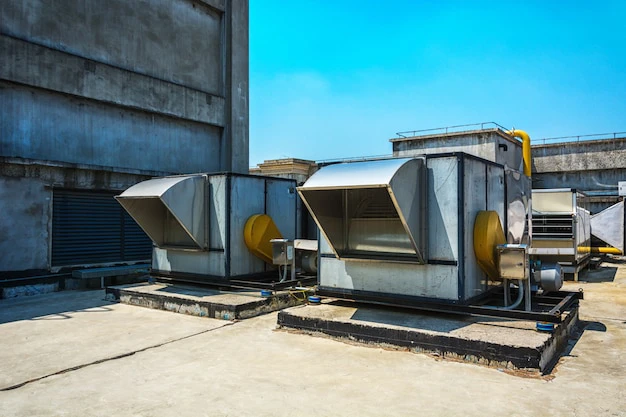
Commercial buildings in Qatar rely on chillers for consistent cooling, especially in offices, malls, hotels, hospitals, factories, warehouses and residential towers. Since chillers operate for long hours in Qatar’s hot climate, regular maintenance is important to avoid sudden breakdowns, high electricity bills and poor cooling performance.
A proper chiller maintenance checklist helps facility managers monitor the system, identify early warning signs and keep the equipment running efficiently throughout the year.
Why Chiller Maintenance Is Important in Qatar’s Climate
Qatar’s climate can place heavy pressure on commercial HVAC systems. High temperatures, dust, humidity and long cooling seasons make chillers work harder than usual.
Regular chiller maintenance helps businesses:
- Maintain consistent indoor cooling
- Reduce electricity consumption
- Prevent unexpected system breakdowns
- Improve chiller efficiency
- Extend the lifespan of the equipment
- Reduce emergency repair costs
- Improve comfort for employees, tenants and visitors
- Support smooth building operations
For commercial buildings, preventive chiller maintenance is not only about comfort. It also helps protect the building’s operational reliability.
Monthly Chiller Maintenance Checklist
Monthly inspections help identify minor issues before they turn into major problems. These checks are especially important during peak summer months.
A monthly chiller maintenance checklist should include:
- Check chilled water temperature
- Check condenser water temperature
- Inspect refrigerant pressure and refrigerant level
- Check oil pressure and oil level
- Inspect electrical panels and control systems
- Check for unusual noise or vibration
- Inspect pumps and water flow
- Clean or inspect filters and strainers
- Check valves, joints and pipe connections
- Inspect for water leakage
- Review control panel alarms
- Record operating readings
- Check cooling tower performance, if applicable
Facility teams should maintain proper service records. Any sudden change in pressure, temperature or power usage should be inspected immediately.
Quarterly Chiller Maintenance Checklist
Quarterly maintenance involves a more detailed inspection of the chiller system. It is usually handled by trained HVAC technicians.
A quarterly chiller maintenance checklist should include:
- Clean condenser tubes, if required
- Inspect evaporator tubes
- Check compressor operation
- Test safety controls and protection devices
- Inspect refrigerant lines for leaks
- Check motor alignment
- Test vibration levels
- Inspect electrical wiring and terminals
- Tighten loose electrical connections
- Check contactors, relays and control wiring
- Inspect sensors and expansion valves
- Review energy consumption trends
- Check water treatment quality
- Inspect chilled water pipe insulation
- Test automation and control settings
- Inspect cooling tower fans, basin and nozzles
Quarterly servicing helps improve long-term efficiency and reduces the risk of sudden equipment failure.
Signs Your Chiller Needs Immediate Inspection
Facility managers should not ignore warning signs from the chiller system. Early inspection can prevent expensive repairs and downtime.
Your chiller may need immediate inspection if you notice:
- Reduced cooling performance
- Frequent system shutdowns
- Unusual noise from the compressor or pumps
- High electricity bills
- Water leakage near the chiller
- Abnormal pressure readings
- Inconsistent chilled water temperature
- Control panel alarm messages
- Excessive vibration
- Suspected refrigerant leakage
- Overheating electrical components
- Poor cooling tower performance
If any of these signs appear, the system should be checked by a professional technician as soon as possible.
Common Chiller Problems in Commercial Buildings
Commercial chillers can face different mechanical, electrical and water-side issues. In Qatar, dust and extreme outdoor temperatures can also affect overall cooling efficiency.
Common chiller problems include:
- Refrigerant leakage
- Compressor failure
- Dirty condenser tubes
- Low chilled water flow
- Clogged filters or strainers
- Faulty sensors
- Electrical panel issues
- Poor water treatment
- Scaling and corrosion
- Cooling tower problems
- Pump failure
- Control system errors
- Poor maintenance documentation
If these problems are not addressed on time, the chiller may consume more energy and deliver poor cooling performance.
Preventive Maintenance vs Emergency Chiller Repair
Preventive maintenance and emergency repair serve different purposes. For commercial buildings, preventive maintenance is usually the better long-term approach.
Preventive Chiller Maintenance
Preventive maintenance includes regular inspection, cleaning, testing and performance monitoring.
Benefits include:
- Fewer breakdowns
- Lower repair costs
- Better energy efficiency
- Longer equipment lifespan
- Planned service schedules
- Reduced business disruption
Emergency Chiller Repair
Emergency repair is required after the system has already failed or stopped working properly.
Common disadvantages include:
- Higher repair costs
- Unexpected downtime
- Disruption to building operations
- Urgent spare part requirements
- Increased discomfort for occupants
For commercial buildings in Qatar, a planned chiller maintenance schedule is more reliable than waiting for emergency repairs.
Why Professional Chiller Maintenance Is Recommended
Chillers are complex systems with mechanical, electrical, refrigerant and water-side components. Professional maintenance helps ensure that every part of the system is inspected properly.
A professional chiller maintenance company can help with:
- Accurate fault diagnosis
- Compressor inspection
- Refrigerant system checking
- Electrical testing
- Water flow inspection
- Cooling tower inspection
- Tube cleaning recommendations
- Safety control testing
- Performance monitoring
- Maintenance reporting
Professional servicing also helps building owners follow manufacturer recommendations and reduce the risk of costly breakdowns.
Conclusion
Chiller maintenance is essential for commercial buildings in Qatar because cooling systems operate under high demand for most of the year. A structured monthly and quarterly checklist helps improve performance, reduce energy costs and prevent unexpected breakdowns.
Gulf Plant Qatar offers professional chiller maintenance in Qatar for commercial, industrial and large-scale building cooling systems. With experienced technical support, Gulf Plant Qatar helps businesses keep their chiller systems efficient, reliable and ready for Qatar’s climate.
FAQ
How often should commercial chillers be maintained in Qatar?
Commercial chillers should be checked monthly and serviced in detail at least quarterly. Buildings with heavy cooling demand may need more frequent inspections.
What is included in chiller maintenance?
Chiller maintenance usually includes checking refrigerant levels, compressor performance, water flow, electrical connections, filters, strainers, pumps, valves, pressure readings and control panel alarms.
Why is my chiller consuming more electricity?
A chiller may consume more electricity due to dirty condenser tubes, refrigerant issues, poor water flow, faulty sensors, compressor problems or poor cooling tower performance.
What are the warning signs of chiller failure?
Warning signs include poor cooling, unusual noise, frequent alarms, water leakage, abnormal pressure readings, vibration and repeated system shutdowns.
Is preventive maintenance better than emergency chiller repair?
Yes. Preventive maintenance helps reduce breakdowns, control costs, improve efficiency and extend the lifespan of the chiller system.
Can poor water treatment affect chiller performance?
Yes. Poor water treatment can cause scaling, corrosion and tube fouling. This reduces heat transfer and affects cooling performance.
Who should maintain commercial chillers?
Commercial chillers should be maintained by trained HVAC technicians or a professional chiller maintenance company experienced in large cooling systems.